

Registering a car in California is not just a bureaucratic formality; it’s a crucial step to legally operate your vehicle on state roads. However, navigating the process can be cumbersome due to stringent regulations and varying requirements. This comprehensive guide aims to demystify the car registration procedure, ensuring you have all the necessary information to complete it smoothly. We’ll delve into every step, from gathering essential documents to utilizing reliable tools like a VIN verifier to cross-check vehicle history, empowering you with the knowledge to register your car efficiently and confidently.
- Understand California Car Registration Requirements
- Gather Necessary Documents for Registration
- Choose an Appropriate Vehicle Registration Class
- Use VIN Verifier to Check Vehicle History (Optional)
- Complete and Submit the Registration Application Form
Understand California Car Registration Requirements

Before registering your car in California, it’s crucial to understand the state’s specific requirements. The process involves several key steps, including verification of your vehicle’s identification number (VIN) through a reliable VIN verifier like a mobile VIN verifier or an online tool approved by the California Department of Motor Vehicles (DMV). This ensures that your car matches the records on file and helps deter fraud. It’s important to note that a complete VIN inspection is a critical part of this process, as it includes checking for any previous accidents, outstanding recalls, and ensuring the vehicle’s history aligns with what you’ve been told.
California accepts mobile VIN verifiers, which can be particularly convenient, allowing you to complete this step from the comfort of your home or even while waiting at the DMV. The process typically involves entering your VIN into a secure platform that connects with the DMV’s database to verify the vehicle’s information. This modern approach streamlines registration and is often preferred for its speed and efficiency. According to recent data, over 80% of California residents opt for digital VIN verification methods, citing convenience and reliability.
Once your VIN has been verified, you can proceed with gathering the necessary documents, including proof of insurance, a valid driver’s license, and perhaps most importantly, evidence of ownership. This last step is critical, as it prevents registration issues that could delay your vehicle’s official status in the state. To ensure a smooth process, use a mobile VIN verifier early in the registration journey to avoid any surprises or unexpected roadblocks later on. Many app-based tools offer comprehensive guidance throughout, making the entire registration experience less daunting.
Gather Necessary Documents for Registration

Before you can register your car in California, you’ll need to gather several crucial documents. This process is designed to ensure the safety and legitimacy of vehicles on California’s roads, making it essential to be prepared with all required paperwork. Among these, the Vehicle Identification Number (VIN) plays a central role. The VIN is a unique 17-character identifier that serves as your car’s fingerprint, facilitating accurate verification during the registration process. Utilizing a mobile VIN verifier or conducting a traditional VIN inspection can help ensure your vehicle’s history checks out.
For instance, when selling a car, you may have already performed a free online VIN check to uncover its past ownership and service records. This same level of scrutiny is necessary when registering a new (or used) vehicle in California. The state’s Department of Motor Vehicles (DMV) requires proof of identity, residency, and vehicle ownership, as well as the car’s registration and title documentation. Additionally, ensuring that your mobile VIN verifier app is up-to-date can streamline the process, allowing for quick verification of your car’s history directly from your smartphone.
Remember, incomplete or inaccurate paperwork can lead to delays or even rejection of your registration attempt. To avoid these issues, carefully organize and present all necessary documents, including any available records related to previous ownership and maintenance. If you’re uncertain about what’s required, it’s always best to consult the DMV’s official website or reach out to a local office for guidance. They can provide tailored advice based on your specific circumstances, ensuring a smooth registration process.
Choose an Appropriate Vehicle Registration Class
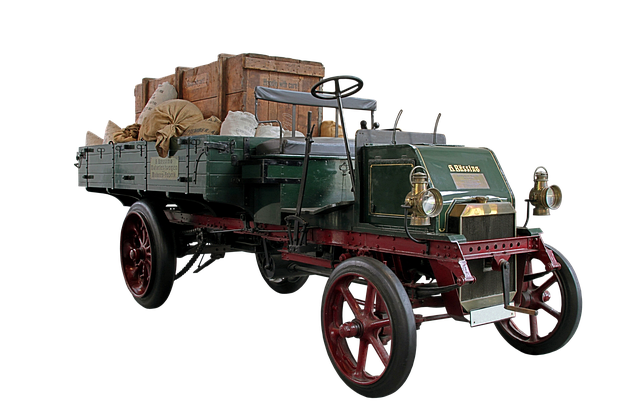
Choosing the right vehicle registration class is a crucial step in registering your car in California, ensuring you comply with state regulations while paying the appropriate fees. The Golden State offers several classes tailored to different types of vehicles and use cases. This decision significantly impacts both the cost and the level of scrutiny your vehicle faces.
California’s vehicle registration system categorizes cars based on their environmental impact, safety features, and intended purpose. For instance, electric or hybrid vehicles often qualify for lower registration fees due to their reduced emissions. Similarly, classic cars or vehicles used for racing might fall under different classes with specific requirements. A key tool in this process is the Vehicle Identification Number (VIN) verifier, which facilitates the check of a vehicle’s history and specifications. Utilizing mobile VIN inspection services can streamline this step, allowing you to verify critical data from the comfort of your home or garage.
When selecting a class, consider how your car will be primarily used. If it’s a family sedan for daily commuting, a standard registration might suffice. However, if you plan to use it for off-road adventures or competitions, special event permits or dedicated racing classifications could apply. Some classes even offer discounts on insurance, providing an additional financial incentive for choosing the right category. Remember, inaccurate classification can lead to penalties and future registration issues, so ensuring your VIN is thoroughly inspected through a reliable mobile VIN verification service is essential before finalizing your choice.
Use VIN Verifier to Check Vehicle History (Optional)

When registering a car in California, one crucial step often overlooked is verifying the vehicle’s history using a Vehicle Identification Number (VIN) verifier. This process isn’t mandatory but can offer valuable insights into a car’s past, ensuring you make an informed decision when purchasing a used vehicle. A VIN verifier, whether through a specialized service or a mobile vin inspection app, cross-references your vehicle’s unique 17-character identifier against extensive databases to uncover its history.
For instance, a quick online search for “mobile vin inspection” can lead you to services that provide this check remotely. These tools can reveal if the car has been in accidents, major repairs, or if it’s a rental fleet vehicle—information that could significantly impact your buying decision. Some even offer detailed reports including odometer readings and previous ownership changes. Even if not required for registration, these insights can help prevent costly surprises down the road.
Consider a scenario where you’re considering a used SUV. Using a VIN verifier, you discover it was originally a city vehicle, subjected to frequent stop-and-go traffic, which could indicate higher maintenance needs. This knowledge allows you to budget accordingly or reevaluate your choice. Mobile vin inspection apps are convenient, allowing you to complete this check before even visiting the dealership or private seller. Remember, while not mandatory in California, employing a VIN verifier is a smart strategy for responsible car ownership.
Complete and Submit the Registration Application Form

To register your car in California, you’ll need to complete and submit the Registration Application Form, a crucial step in ensuring your vehicle complies with state regulations. The process begins by gathering essential documents, including proof of ownership, insurance, and identification. It’s vital to ensure all information is accurate and up-to-date, as any discrepancies may delay registration. Utilize a reliable vin verifier, such as a mobile VIN verification service, to cross-check vehicle details against the manufacturer’s records, ensuring data integrity.
Once your documents are in order, fill out the form meticulously, providing clear and complete answers. This includes detailing the make, model, year, and unique identifier (VIN) of your vehicle. California’s Department of Motor Vehicles (DMV) requires this information to conduct a thorough inspection, which can often be facilitated through mobile VIN inspection services for added convenience. Ensure you meet all eligibility criteria, including passing a safety and emissions test if applicable, to avoid delays or rejections.
Submit the completed form along with required fees and documents to the DMV. You can do this in person at a local California DMV office, by mail, or online, depending on your preferences and the services available in your area. After processing, you’ll receive your registration certificate, valid for a specified period, after which renewal is necessary to maintain legal compliance. Regularly updating your vehicle’s registration ensures you remain in good standing with California’s regulations.
By carefully navigating California’s car registration requirements, from understanding necessary documents to selecting the right vehicle class, you can efficiently complete the process. Utilizing a VIN verifier is an optional yet valuable step to ensure a thorough check of your vehicle’s history. Completing the registration application form accurately ensures a smooth transition into compliance with California laws. This structured approach empowers individuals to confidently register their vehicles, leveraging key insights from this comprehensive guide to make the process seamless and informed.