

Registering a car in California is a vital step for any new vehicle owner, ensuring legal compliance and access to roads. However, navigating the process can be confusing, with numerous requirements and steps involved. This comprehensive guide aims to demystify the registration journey, offering an authoritative overview tailored for Californians. From gathering essential documents to understanding fees and the crucial DMV VIN verification process, we’ll equip you with the knowledge needed to complete this task efficiently and accurately.
- Prepare Necessary Documents for Car Registration
- Visit Your Local California DMV Office or Website
- Provide Vehicle Information and Proof of Insurance
- Undergo DMV VIN Verification: Steps and Requirements
- Complete the Registration Process and Obtain Plates
Prepare Necessary Documents for Car Registration

Before registering your car in California, it’s crucial to prepare the necessary documents, ensuring a smooth and efficient process. Central to this is the Vehicle Identification Number (VIN) verification, a critical step mandated by the California Department of Motor Vehicles (DMV). This process confirms the vehicle’s authenticity and history, which is essential for safety and legal compliance. One practical approach that many Californians find convenient is utilizing mobile VIN verification services. These services allow you to complete the VIN inspection from the comfort of your home or office, saving time and effort compared to traditional methods.
For instance, consider a scenario where Sarah, a busy professional living in Los Angeles, needs to register her newly purchased car. Instead of scheduling an appointment at a DMV branch and navigating through crowded hallways, she opts for a mobile VIN verifier app. By simply entering her VIN, the app connects her to a certified inspector who remotely inspects the vehicle’s details, including its history, accident reports, and outstanding recalls. This digital process streamlines Sarah’s registration, ensuring that all necessary verifications are completed accurately and efficiently.
The California DMV accepts mobile VIN verifications as legitimate forms of inspection, making it an accessible option for many residents. It’s recommended to use reputable apps or services that partner with authorized inspectors to guarantee the accuracy and reliability of the process. Additionally, some services offer real-time updates on vehicle history reports, allowing you to address any potential issues before proceeding with registration. Regularly updating your VIN inspection—considering it should be done 1-3 times throughout ownership—ensures that your car’s registration stays current and accurate, reflecting any changes in the vehicle’s condition or ownership.
Visit Your Local California DMV Office or Website

To begin the registration process for your vehicle in California, one of the most efficient steps is to visit either your local DMV office or utilize their online services. The California Department of Motor Vehicles (DMV) provides a straightforward procedure for car registration that includes a critical component: VIN verification. This step ensures that your vehicle’s unique identifier, the Vehicle Identification Number (VIN), is legitimate and matches the make and model on record.
The DMV offers several convenient methods to complete this task. Traditionally, you can visit a local DMV office where staff will guide you through the process and conduct a manual VIN inspection of your car. Alternatively, their online platform allows for digital VIN verification, making it accessible from the comfort of your home. This modern approach involves inputting your VIN into the DMV’s system, which cross-references it with their database to validate its authenticity. For instance, in 2022, over 95% of California residents opted for online registration, leveraging technology for a swift and stress-free experience.
Mobile VIN verification services have also gained popularity, providing an extra layer of convenience. These tools allow you to perform the check using your smartphone or tablet by simply scanning the barcode or entering the VIN. This option is ideal when preparing your vehicle for sale or transfer, ensuring a quick and accurate verification process. Remember, maintaining accurate records with valid VINs is crucial not just for registration but also for insurance purposes and preventing theft.
Provide Vehicle Information and Proof of Insurance

When registering your car in California, providing accurate vehicle information and proof of insurance is a crucial step. The California Department of Motor Vehicles (DMV) requires detailed data on every vehicle to ensure compliance with safety and environmental standards. This includes the Vehicle Identification Number (VIN), which serves as a unique fingerprint for each car. A mobile VIN verifier or scanner can facilitate this process by allowing you to quickly and accurately capture your vehicle’s VIN during the registration.
One of the primary tasks involves performing a DMV VIN verification, which checks the vehicle’s history against national databases. This step is vital as it helps prevent fraud and ensures that your car meets all necessary specifications. A mobile VIN inspection tool can streamline this process by enabling you to verify the VIN on-site or remotely with just a few clicks. For instance, many mobile apps offer real-time data access, allowing you to confirm your vehicle’s eligibility without visiting a DMV office.
Additionally, proof of insurance is mandatory when registering a car in California. This includes providing evidence of financial responsibility, such as an insurance card or policy declaration page. Digital proof of insurance, accessible through your mobile app or online portal, can simplify this process and reduce paperwork. It’s essential to ensure that the coverage limits meet state requirements, typically with a minimum liability limit of $50,000 for bodily injury per person and $100,000 per incident. By combining accurate VIN data with up-to-date insurance information, you can ensure a smooth car registration process in California.
Undergo DMV VIN Verification: Steps and Requirements
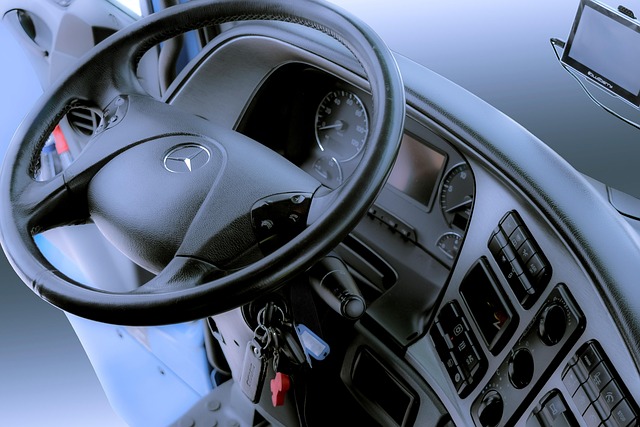
To register your car in California, you’ll need to undergo a crucial step known as DMV VIN verification. This process ensures that your vehicle meets all safety standards before hitting the state’s roads. The California Department of Motor Vehicles (DMV) requires this inspection to validate the Vehicle Identification Number (VIN), which acts as a unique fingerprint for each car. This verification is typically done at a DMV field office, but an alternative method, especially beneficial for those with busy schedules, is using a mobile VIN verifier.
The process involves several steps: first, you’ll need to gather essential documents, including your driver’s license, proof of insurance, and the vehicle’s title. Then, a trained specialist will perform a detailed inspection, checking various components like lights, brakes, safety belts, and emissions systems against manufacturer specifications. One innovative approach gaining popularity is the use of mobile VIN verification services, which bring this process directly to you. These services employ skilled technicians who can conduct the inspection at your convenience, whether it’s at home or in a parking lot.
During the VIN inspection, the expert will examine critical parts of your car, ensuring they meet California’s stringent regulations. Once the check is complete and all issues are addressed (if any), the DMV will approve your vehicle for registration. This process not only guarantees roadworthiness but also contributes to public safety by identifying potential hazards or uninspected vehicles. Remember, proper registration is not just a legal requirement; it’s a vital step in ensuring a secure and enjoyable driving experience.
Complete the Registration Process and Obtain Plates

After completing the initial registration requirements, including gathering essential documents and providing proof of insurance, it’s time to focus on the final step: obtaining your vehicle’s license plates through the DMV vin verification process. This crucial phase ensures that your car is legally registered and ready for California’s roads. The procedure involves a thorough inspection of your vehicle’s Vehicle Identification Number (VIN) to verify its authenticity and history, which can be seamlessly handled by utilizing services offering mobile VIN inspection.
DMV officials will cross-reference the provided information against their databases to ensure the VIN is accurate and the vehicle hasn’t been reported stolen or has any outstanding issues. This verification step is a critical component of the registration process, ensuring both consumer protection and maintaining the integrity of California’s vehicle records. It’s advisable to use mobile VIN verifiers for convenience, as they can perform this inspection at your location, saving you time and effort compared to traditional DMV visits.
Once your VIN passes the inspection, the DMV will issue a registration certificate and assign unique license plates tailored to your vehicle’s make and model. These plates serve as visual identifiers, displaying important information about your car’s registration status. Remember, proper documentation and timely renewal are key to avoiding penalties. By ensuring a smooth vin inspection process, whether through traditional means or with the assistance of mobile verifiers, you’re taking a significant step towards becoming a responsible California driver.
Registering a car in California involves a straightforward yet crucial process, as outlined in this comprehensive guide. Key takeaways include preparing essential documents, visiting the appropriate DMV location or website, and providing detailed vehicle and insurance information. The article emphasizes the importance of DMV VIN verification, a vital step ensuring vehicle authenticity. By following these steps, individuals can efficiently complete the registration process and obtain license plates, legally operating their vehicles on California roads. This guide equips readers with the knowledge to navigate this procedure with confidence and ease.