

Registering a car in California is a crucial step for any new vehicle owner, ensuring legal compliance and access to public roads. However, the process can be complex and cumbersome, with numerous requirements and paperwork involved. One critical aspect, often overlooked but essential, is the DMV VIN verification, which serves as a vital checkpoint to prevent fraud and ensure vehicle authenticity. This article will serve as your comprehensive guide, demystifying every step of registering a car in California, including how to navigate the process efficiently and securely, ensuring a smooth experience for both first-time and experienced drivers.
- Gather Required Documents for Car Registration
- Visit California DMV: Step-by-Step Guide
- Complete Vehicle Information and Fees
- Perform DMV VIN Verification for Accuracy
- Register Your Car Online or In-Person
Gather Required Documents for Car Registration

To register a car in California, you’ll need to gather several key documents. The process begins with ensuring your vehicle meets all legal standards and has undergone a successful DMV VIN verification. This step is crucial as it ensures the vehicle’s identity and history are accurately recorded. One efficient method for this initial check is through mobile VIN verification services that allow you to complete the process from the comfort of your home or office. These services, often provided by reputable automotive platforms, offer a convenient way to get started.
Among the documents required is a valid driver’s license and proof of insurance. Additionally, you’ll need the vehicle’s registration from the previous state (if it was registered elsewhere), a completed California Vehicle Registration application, and a DMV Form 46 for title transfer if applicable. It’s important to double-check that all forms are filled out accurately to avoid delays. For classic or vintage cars, further documentation might be necessary, so consult the DMV guidelines for specific requirements.
Mobile VIN inspection services play a significant role in this process by providing a quick and accurate assessment of your vehicle’s history. These services use advanced technology to cross-reference your car’s unique VIN (Vehicle Identification Number) with various databases, offering a comprehensive report that includes details about ownership, accident history, and maintenance records. With this information at hand, you can confidently move forward with the registration process, knowing that every step is in compliance with California’s strict regulations.
Visit California DMV: Step-by-Step Guide

To register your car in California, one of the crucial steps is to visit the California Department of Motor Vehicles (DMV). This process involves several key stages designed to ensure vehicle safety and compliance with state regulations. First, gather all necessary documents such as proof of ownership, insurance, and identification. It’s important to have these ready before your visit to streamline the process.
Upon arrival at the DMV, locate the specific counter for vehicle registration. A knowledgeable staff member will guide you through each step. They’ll request your documents and verify your vehicle’s details, including a critical dmv VIN verification. This involves cross-referencing your vehicle’s unique identification number (VIN) against their records to ensure the vehicle is genuine and not reported as stolen. Efficient service is aided by advanced systems that support mobile vin inspection, allowing for faster, more accurate verifications.
If all documents are in order and your VIN passes scrutiny, you’ll be issued a registration certificate and license plate. It’s during this phase that many applicants opt to purchase optional services like extended warranties or vehicle history reports for added peace of mind. Be sure to inquire about any applicable fees and discounts available through the DMV or third-party providers offering mobile vin verifier services. Some residents find it convenient to complete these transactions online, while others prefer the face-to-face interaction at the DMV. Either way, being prepared and understanding the requirements ensures a smoother registration process.
Complete Vehicle Information and Fees
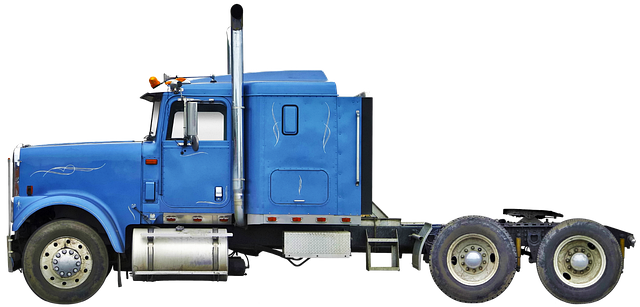
Registering a car in California involves a meticulous process designed to ensure vehicle safety and identity. One of the critical steps is completing accurate and up-to-date vehicle information, which includes a comprehensive VIN (Vehicle Identification Number) inspection. The DMV requires a valid VIN verification as part of the registration process, ensuring every car on California’s roads has undergone a thorough check for its unique historical and safety data. This verification process can be accomplished through traditional methods by visiting a designated DMV office or, more conveniently, with the assistance of a mobile VIN verifier—a service that brings the inspection directly to you.
The fee structure for registering a vehicle in California is designed to cover the administrative costs and resources required to maintain a robust vehicle registry. Fees vary based on several factors, including the type of vehicle, its age, and any outstanding emissions or safety inspections. For instance, as of 2023, fees range from $50 to $175 for most cars, with additional surcharges for older vehicles not meeting emission standards. When coupled with the mandatory DMV VIN verification, which typically costs around $20, prospective car owners should budget accordingly. However, many mobile vin verifier services offer competitive pricing, sometimes even lower than traditional inspection stations, making the process more accessible and affordable.
To ensure a seamless registration experience, it’s crucial to gather all necessary documents before beginning. This includes proof of ownership, vehicle identification number (VIN), and current registration papers (if applicable). Additionally, having a mobile vin verifier perform an on-site inspection can save time by streamlining the documentation process. These verifiers utilize advanced technology to cross-reference your VIN with state records, ensuring accuracy in a fraction of the time traditional methods might take. This modern approach not only facilitates faster registrations but also enhances the overall car ownership experience in California.
Perform DMV VIN Verification for Accuracy

To ensure the utmost accuracy during your car registration process in California, performing a DMV VIN verification is paramount. This step involves scrutinizing your vehicle’s unique identifier—the Vehicle Identification Number (VIN)—which serves as a digital fingerprint for every automobile. By submitting your VIN to the Department of Motor Vehicles (DMV) for verification, you can rest assured that your vehicle data matches the records they have on file. This is crucial to avoid any discrepancies that might delay or complicate registration.
A practical approach many Californians opt for is utilizing mobile VIN verification services. These digital tools facilitate a convenient and quick process by allowing you to input your VIN into an app, which then transmits this information to the DMV for inspection. Mobile vin verifiers offer not just speed but also accuracy, as they tap into real-time data from official sources. For instance, these apps can cross-reference your VIN with national databases to confirm the vehicle’s history, including any accidents or outstanding recalls.
Regularly conducting VIN inspections is beneficial, especially for older vehicles. A study by the California DMV revealed that about 10% of registered cars had discrepancies in their records due to errors or theft. To avert these issues, consider performing a mobile vin verification at least once annually. This proactive measure not only ensures your registration stays current but also safeguards you from potential legal complications arising from inaccurate vehicle information.
Register Your Car Online or In-Person

Registering a car in California involves several steps, with two primary options for completion: online or in-person at a DMV (Department of Motor Vehicles) office. Online registration offers convenience and speed, while in-person visits ensure accurate completion and immediate vehicle title transfer. Regardless of method, the process requires a thorough Vehicle Identification Number (VIN) verification to prevent fraud and ensure compliance with state laws.
For online registration, you’ll first need to gather essential documents, including your current driver’s license, proof of insurance, and the vehicle’s title. The DMV provides an intuitive step-by-step guide, guiding you through data entry and upload of necessary documents. A key aspect is accurate VIN input; the system performs a DMV VIN verification to match the provided number with state records. This step is crucial to prevent duplicate registrations and ensure the vehicle’s history is accurately tracked. Online platforms also offer real-time updates on processing times, allowing you to plan accordingly.
In-person registration requires visiting a local DMV office, where knowledgeable staff assist with the process. Here, a vin inspection is typically conducted manually by a representative who cross-references the VIN against state databases. This method offers immediate feedback and the chance to rectify any errors or discrepancies. Mobile vin verification services are also available, where a specialist comes to your location to perform an on-site inspection, providing convenience for those with busy schedules or limited mobility.
In both cases, successful registration entitles you to operate your vehicle legally in California. Always ensure accurate record-keeping and timely renewals to avoid penalties. Proper VIN verification is the cornerstone of this process, ensuring cars are tracked effectively while protecting consumers from fraudulent activities.
Registering a car in California involves several crucial steps, from gathering essential documents to completing vehicle information and fees, and undergoing DMV VIN verification for accuracy. By following a structured process, whether online or in-person, you can efficiently navigate the registration process. Remember, proper documentation and accurate information are key to ensuring a smooth experience with the DMV. This comprehensive guide empowers you with the knowledge to confidently register your vehicle, leveraging the system’s efficiency while maintaining integrity through proper verification.