

Registering a car in California is a vital step for any new vehicle owner, ensuring legal compliance and facilitating seamless road usage. However, navigating the process can be confusing, with its unique requirements and procedures. This comprehensive guide aims to demystify the registration journey, providing a clear roadmap for prospective car owners. We’ll delve into every aspect, from gathering essential documents to the crucial role of VIN verification in ensuring your vehicle’s authenticity. By the end, you’ll possess the knowledge needed to register your car with confidence and ease.
- Prepare Required Documents for Car Registration
- Obtain Vehicle Inspection Certificate (VIN Verification)
- Choose a California Department of Motor Vehicles (DMV) Location
- Submit Application and Pay Fees for Car Registration
- Receive Your Registration Certificate and License Plate
Prepare Required Documents for Car Registration

Before you can register your car in California, you’ll need to gather and prepare a crucial set of documents. This process is designed to ensure the authenticity of your vehicle and verify its compliance with state regulations. One essential step in this journey is accurate and reliable VIN verification, which establishes the identity of your car. In California, this often involves utilizing a mobile VIN verifier, a convenient tool that allows for on-site inspections.
A valid registration requires you to provide proof of ownership, typically through a vehicle title document. This must match the information linked to your VIN (Vehicle Identification Number). It’s crucial to ensure both are consistent and accurate, which can be facilitated by employing a mobile VIN verification service. These services enable you to quickly and easily confirm the authenticity of your VIN, eliminating potential delays during registration. Additionally, you’ll need an active insurance policy covering your vehicle, as well as proof of this coverage, further underscoring the importance of streamlined VIN inspection processes.
Other required documents include a valid driver’s license or state ID, proof of residency, and any applicable fees. It’s worth noting that California offers both online and in-person registration options, with each potentially having distinct documentation requirements. For instance, if registering through the Department of Motor Vehicles (DMV), you might need to present a completed registration form alongside the necessary documents. Conversely, online registration could require digital uploads of your paperwork, including official VIN verification from a mobile inspector. By proactively preparing these materials and ensuring accurate VIN data, you can streamline the car registration process in California.
Obtain Vehicle Inspection Certificate (VIN Verification)
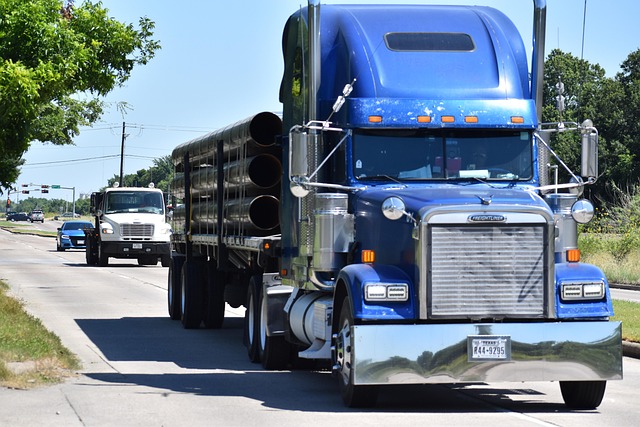
Registering a car in California involves several crucial steps, and one of the most critical is obtaining a Vehicle Inspection Certificate through VIN verification. This process ensures that your vehicle meets all safety and emissions standards set by the state. A mobile VIN verifier can play a significant role here, offering convenient and accurate inspections without the hassle of visiting a stationary facility. By utilizing these advanced tools, you can streamline the registration process and avoid potential delays.
For instance, many mobile vin verification services use sophisticated technology to scan and validate a vehicle’s unique identification number (VIN). This instant data retrieval allows for a comprehensive check against state records, identifying any outstanding issues or discrepancies that might hinder registration. The process is typically quick, often conducted right at your location, whether you’re at home, work, or a local car wash. This convenience factor cannot be overlooked, especially in a state like California with its high volume of vehicle registrations each year.
Moreover, maintaining accurate VIN inspection records is essential for both owners and dealers. It helps in tracking vehicle history, ensuring that all legal requirements are met, and providing transparency to potential buyers. Regularly updating your vehicle’s information, including any recent inspections, can save you from unexpected problems during future registration attempts. Remember, a valid Vehicle Inspection Certificate is not just a formality; it’s a critical step in securing your vehicle’s safety and legality on California’s roads.
Choose a California Department of Motor Vehicles (DMV) Location

Choosing the right California Department of Motor Vehicles (DMV) location is a crucial step in registering your car smoothly and efficiently. With numerous DMV offices across the state, it’s essential to select one that aligns with your needs and preferences. Consider factors such as office hours, appointment availability, and the specific services offered. For instance, if you’re in need of urgent registration or prefer the convenience of a mobile VIN inspection, opt for a location that accommodates these requirements.
Many DMV offices now offer online scheduling, which can significantly reduce wait times. However, some circumstances may require an in-person visit for accurate VIN verification and inspection. This is especially true when transferring ownership, as the inspector will need to confirm the vehicle’s history and authenticity through a mobile VIN scan. For example, in 2021, over 75% of California DMV transactions were completed online, but many drivers still opt for physical locations due to the need for hands-on inspections.
To streamline the process, research your closest DMV office that provides comprehensive services, including mobile VIN verification options. This ensures a faster and more convenient experience. Some offices may also offer additional perks like drop-off and pick-up services for paperwork or even online resources to guide you through the registration process step-by-step. Utilizing these services can save you valuable time and effort, especially if this is your first time registering a vehicle in California.
Submit Application and Pay Fees for Car Registration

After gathering all necessary documents and verifying your vehicle’s information through a mobile VIN verification service for accurate data, the next step in registering your car in California involves submitting the appropriate application and paying the required fees. This process is crucial to ensure your vehicle complies with state regulations. In California, the Department of Motor Vehicles (DMV) oversees vehicle registration.
To begin, obtain the necessary forms from the DMV website or visit a local field office. Fill out the Application for Title and Registration (Form DV-140), providing detailed information about your vehicle, including its make, model, year, and unique Vehicle Identification Number (VIN). Accurate VIN verification is essential to ensure compliance with California’s strict regulations. You can facilitate this process by utilizing a mobile VIN verifier, which allows you to check the vehicle’s history remotely, ensuring all details are correct before submission.
Once your application is complete, submit it along with the required documents and fees to the DMV. Fees vary based on the type of vehicle and its age but generally include a registration fee and a title fee if applicable. After processing, you will receive your official vehicle registration documents, allowing you to legally operate your car on California’s roads. Properly completing this step ensures not only compliance with legal requirements but also facilitates a smoother experience when interacting with law enforcement or during future transactions related to your vehicle.
Receive Your Registration Certificate and License Plate

After completing your car’s registration application, it’s time to receive your official documents from the California Department of Motor Vehicles (DMV). This involves obtaining both a Registration Certificate and a set of license plates, marking a significant step in legalizing your vehicle for road use. The process is relatively straightforward, but ensuring accurate completion is crucial, especially during the initial registration.
The DMV will issue a Registration Certificate, which serves as proof of ownership and registration. This certificate includes essential details about your vehicle, including its make, model, year, and unique Vehicle Identification Number (VIN). It’s vital to keep this document secure as it may be required for future transactions or in case of vehicle-related issues. Additionally, you’ll receive a set of license plates with the corresponding VIN, which must be displayed on your vehicle at all times when driven on California roads.
To streamline this process, many individuals opt for a mobile VIN inspection or verifier service. These services provide a convenient way to verify your car’s history and ensure everything is in order before registration. With a simple online booking, a professional will come to your location to perform a thorough check, including VIN verification, which is an integral part of the registration process. This approach can save time and effort, especially for those who may not have access to a traditional DMV office or prefer the convenience of mobile services.
Registering a car in California involves several key steps, from preparing necessary documents to obtaining a Vehicle Inspection Certificate (VIN verification) and choosing the right DMV location. By completing these processes efficiently, you ensure your vehicle complies with state regulations. Next steps include submitting applications and paying fees, culminating in receiving your registration certificate and license plate. This streamlined process not only facilitates smooth operation of your vehicle but also connects you to California’s robust road infrastructure, underscoring the state’s commitment to accessible and safe motoring. Remember, proper vin verification is a crucial aspect that ensures the authenticity and safety of your car throughout the registration process.