

Registering a car in California is a vital step for any new owner, ensuring legal compliance and protection. However, navigating the process can be cumbersome, with numerous requirements and potential pitfalls. Many turn to trusted resources for guidance, especially when it comes to verifying the Vehicle Identification Number (VIN). The California Department of Motor Vehicles (DMV) offers tools like VIN verifiers to streamline this critical step. This article provides an authoritative guide, detailing each aspect of car registration in California, including leveraging the DMV’s VIN verifier for accurate and efficient compliance.
- Prepare Your Documents for Car Registration
- Visit California DMV: Step-by-Step Guide
- Verify Vehicle Identity Using DMV VIN Verifier
- Complete the Registration Application Process
- Finalize and Obtain Your Car's Registration Papers
Prepare Your Documents for Car Registration

Before you begin the car registration process in California, it’s crucial to prepare your documents, ensuring a smooth and efficient experience. This step involves gathering all necessary paperwork, including evidence of ownership, identification, and vehicle information. One critical aspect often overlooked is verifying the Vehicle Identification Number (VIN), which can be easily accomplished through a DMV VIN verifier or even mobile vin inspection tools.
For instance, California’s Department of Motor Vehicles (DMV) offers an online service to check VINs for vehicles registered in the state, allowing you to confirm vehicle details and history remotely. Alternatively, some third-party services provide mobile vin verification, where a professional will come to your location to conduct the inspection, which can be particularly convenient if you have multiple vehicles or are dealing with limited mobility. This step is vital as it ensures the accuracy of your registration and protects against potential issues down the line.
When preparing your documents, ensure that all information is up-to-date and accurate. This includes the vehicle’s make, model, year, and any modifications made since purchase. Incorrect or missing data can cause delays or even rejection of your registration application. Additionally, keep in mind that some documents may require notarization, especially if you’re registering a vehicle as a gift or through estate proceedings. It’s always best to check the DMV’s website for the most current requirements and guidelines.
Visit California DMV: Step-by-Step Guide

To register your car in California, you’ll need to visit a local Department of Motor Vehicles (DMV) office. This process involves several steps, from gathering necessary documents to ensuring your vehicle’s compliance with state regulations. The first step is to confirm that your vehicle meets all legal requirements through a DMV VIN verifier. This tool cross-references your Vehicle Identification Number (VIN) against the DMV’s records to ensure the car’s history aligns with its age and intended use. For instance, some older models may require emissions tests or have specific safety feature mandates.
When you arrive at the DMV, locate the section dedicated to vehicle registration. You’ll be asked to present key documents, such as proof of identification (like a driver’s license), proof of insurance, and the certificate of title (or “title”) from the previous owner if applicable. It’s crucial to ensure these documents are valid and accurately reflect your vehicle’s details. If you’ve recently purchased a car through a private seller or dealership, make sure to obtain all necessary paperwork in advance to streamline the process.
Now, for those who prefer convenience, California offers mobile VIN verifiers as an alternative to visiting a DMV office. These services allow you to complete the initial verification step from the comfort of your home or even while on the go. Mobile vin inspection apps or services work by remotely accessing your vehicle’s information and cross-referencing it with state databases. This modern approach saves time, especially in areas with high DMV traffic, and is a testament to California’s commitment to providing efficient, accessible services for its residents.
Verify Vehicle Identity Using DMV VIN Verifier
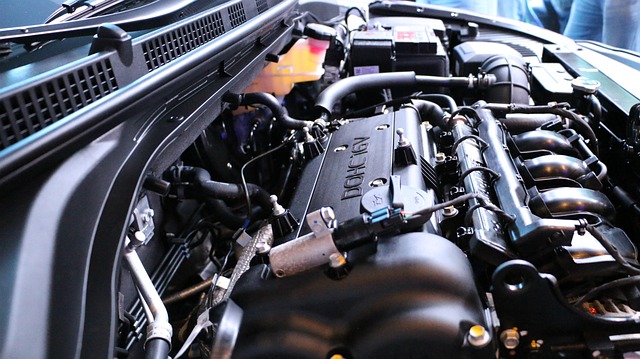
Verifying a vehicle’s identity is a crucial step in the car registration process in California. One of the most effective methods to ensure authenticity is through the use of a DMV VIN (Vehicle Identification Number) Verifier. This tool plays a pivotal role in establishing the genuine nature of a vehicle before its registration, especially when purchasing a used car. By employing a mobile vin inspection service or a portable vin verifier, individuals can access a comprehensive vehicle history report, including details on previous ownership, accident records, and maintenance logs.
A simple yet powerful tool, the DMV VIN Verifier allows users to input their vehicle’s unique 17-character VIN code into an online database. This process yields an in-depth vehicle profile, which can be crucial for identifying potential issues or discrepancies. For instance, a recent study by the California DMV revealed that approximately 5% of vehicles inspected using mobile vin verification services had reported mileage alterations, underscoring the tool’s effectiveness in catching such fraudulent activities.
Practical considerations are paramount when utilizing a mobile vin inspector or verifier. Ensure that the service provider is reputable and authorized to access official vehicle records. Additionally, keep in mind that while these tools offer extensive insights, they may not capture every possible anomaly. As such, combining vin inspection with a thorough physical examination of the vehicle remains essential for making informed purchasing decisions.
Complete the Registration Application Process

To complete the registration application process for your vehicle in California, you’ll need to gather essential documents and information. This includes proof of ownership, valid identification, current insurance, and a completed Form DV306 (Vehicle Registration Application). One crucial step is to ensure the accuracy of your Vehicle Identification Number (VIN) through a reliable DMV VIN verifier or mobile vin verifier. Accurate VIN data is vital for identifying your vehicle and preventing fraud.
For instance, California’s Department of Motor Vehicles (DMV) offers an online tool for verifying a VIN, which can be cross-checked with a mobile vin verification service to ensure consistency. It’s important to double-check this information because even minor errors or discrepancies could delay your registration. Once your VIN is confirmed, proceed to input the rest of your details on the application form. This includes your personal information, vehicle specifications, and desired registration period.
After completing the form, submit it along with required documents to a local DMV office or, in some cases, through an online portal. If you’re using a mobile vin verifier for backup, ensure that it’s from a reputable source to guarantee its validity. Remember, proper documentation and meticulous attention to detail are key to ensuring a smooth registration process. Always double-check your work before submission to avoid unnecessary delays or complications.
Finalize and Obtain Your Car's Registration Papers

After completing the initial registration process at the California Department of Motor Vehicles (DMV), the next crucial step is finalizing and obtaining your car’s registration papers. This involves verifying the Vehicle Identification Number (VIN) to ensure accuracy and completeness. The DMV offers various methods for VIN inspection, including a mobile vin verification service that allows you to confirm your vehicle’s details from the comfort of your home or garage.
One of the recommended practices is to utilize the DMV’s online tools for a preliminary check. However, for definitive validation, a physical VIN inspection by a professional is essential. This process typically involves scanning the VIN using specialized equipment, which then cross-references the data with the manufacturer’s records. For instance, many car dealerships employ mobile vin inspection services to streamline the registration process for their customers.
Once your VIN has been verified, you can securely obtain your registration papers. These documents are not only proof of your vehicle’s ownership and insurance but also serve as a legal requirement for operating your car on California roads. It’s important to keep these records up-to-date and readily available, as they may be required during routine traffic stops or future registration renewals. By ensuring the accuracy of your VIN and securing your registration papers, you’re not just completing a bureaucratic step but also safeguarding your investment in your vehicle.
By meticulously preparing your documents, following a structured visit to the California DMV, verifying vehicle identity with a reliable DMV VIN verifier, and completing the registration application process, you can ensure a seamless car registration experience. These steps, detailed in this authoritative guide, empower you to navigate the process efficiently. Remember, the DMV VIN verifier plays a crucial role in confirming your vehicle’s authenticity, underscoring the importance of accurate documentation. Finally, securing your car’s registration papers marks a significant milestone, offering peace of mind and legal compliance for your vehicle ownership journey.