
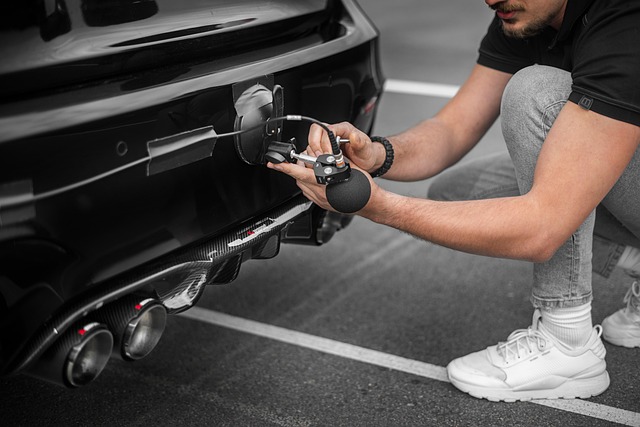
Registering a car in California is more than just a bureaucratic formality; it’s a crucial step for any vehicle owner to ensure legal compliance and protect their investment. However, navigating the process can be a daunting task, filled with complex regulations and potential pitfalls. This comprehensive guide aims to demystify the car registration procedure, offering expert insights into every step. We’ll walk you through the requirements, from gathering essential documents to the critical process of VIN verification, ensuring your California car registration is both accurate and efficient.
- Prepare Required Documentation for Car Registration
- Visit Your Local California Department of Motor Vehicles (DMV)
- Submit Proof of Insurance and Vehicle Inspection
- Provide Vehicle Identification Number (VIN) Verification
- Complete Payment and Receive Your Registration Documents
Prepare Required Documentation for Car Registration

To register your car in California, you’ll need to gather specific documentation, including proof of ownership, vehicle identification number (VIN) verification, and essential details like the vehicle’s make, model, and year. One crucial step is ensuring accurate VIN inspection, which can be facilitated through a mobile vin verification service. These services allow for convenient and efficient checking of your car’s history and specifications right from your smartphone or tablet.
For instance, many California Department of Motor Vehicle (DMV) branches now offer mobile VIN inspection services, where an official remotely checks the vehicle’s information against national databases. This process, often conducted via video call, streamlines the registration process by eliminating the need for in-person visits and lengthy waits. It also reduces potential errors associated with manual record-keeping, ensuring a smoother experience for car owners.
When preparing your documents, remember to include a valid driver’s license or state ID card, proof of insurance, and any applicable fees. Additionally, a completed vehicle registration application form is mandatory. By having all these documents ready, including the verified VIN data, you’ll be well on your way to successfully registering your car in California with minimal hassle.
Visit Your Local California Department of Motor Vehicles (DMV)

Registering a car in California involves several steps, and one of the crucial stages is visiting your local California Department of Motor Vehicles (DMV) office. This is where you’ll initiate the process by providing essential documentation and ensuring the accuracy of your vehicle’s information. The DMV will conduct a thorough verification, including a Vehicle Identification Number (VIN) inspection, to confirm the car’s identity and history. This step is vital to protect both consumers and the state from fraud and ensures that all vehicles on California roads are legitimate.
When you arrive at the DMV, you’ll need to bring your vehicle’s registration documents, proof of insurance, and a valid driver’s license. The staff will guide you through the process, which may include a visual inspection of your car and a detailed review of its history. They might also utilize advanced systems for VIN verification, such as mobile VIN verifiers, to cross-reference data with national databases. For instance, some mobile apps offer quick and accurate VIN inspections, allowing you to share the results with the DMV instantly. This modern approach streamlines the registration process, making it more efficient for both customers and officials.
During your visit, be prepared to answer questions about any previous accidents, outstanding fines, or issues that might affect your vehicle’s registration. It’s always beneficial to arrive early to avoid long queues. Additionally, consider scheduling an appointment for a smoother experience. The DMV may also provide guidance on additional requirements, such as emissions testing or safety inspections, depending on your vehicle’s type and age. By following these steps and ensuring accurate VIN verification, you’ll be well on your way to registering your car in California efficiently and without complications.
Submit Proof of Insurance and Vehicle Inspection

Registering a car in California involves several crucial steps, and submitting proof of insurance and ensuring a vehicle inspection is one of the most critical. This process guarantees that your vehicle meets safety and environmental standards and that you have adequate coverage in case of accidents or damage. A key component of this step is accurate Vehicle Identification Number (VIN) verification, which can be efficiently handled through a mobile VIN inspection service or a traditional vin inspection at a designated center.
For instance, California requires all vehicles to pass an emissions test, and many also necessitate a safety inspection. These inspections are designed to check the vehicle’s critical systems, including brakes, lights, tires, wipers, and safety features. A mobile VIN verifier can streamline this process by allowing inspections at your convenience, whether at home or on the go. This technology enables professionals to quickly access vehicle history data through the unique 17-character VIN, ensuring that all components are genuine and up to standard. Data from the Environmental Protection Agency (EPA) shows that proper emissions testing significantly reduces air pollution, underscoring the importance of these checks.
When submitting proof of insurance, drivers must provide a valid policy that meets California’s minimum liability coverage requirements. This involves presenting documents detailing your insurance policy number, coverage limits, and insurer information. Some insurance companies now offer digital or mobile options for policyholders to access and share their policies easily. Additionally, utilizing a mobile VIN verifier can enhance the accuracy of your vehicle’s documentation during the registration process. If any discrepancies are found between the registered data and the actual vehicle, it could delay or even prevent successful registration.
Practical advice includes planning ahead and gathering all necessary documents before attempting to register. Many California Department of Motor Vehicle (DMV) locations offer online scheduling for inspections and appointments, allowing you to avoid long waits. Also, remember that specific requirements may vary based on your vehicle’s age and type. Keeping up with regular maintenance, including timely VIN verifications, will ensure a smoother registration process and contribute to the overall safety of California roads.
Provide Vehicle Identification Number (VIN) Verification

Registering a car in California involves several crucial steps, and one of the most critical is ensuring accurate Vehicle Identification Number (VIN) verification. This process confirms the vehicle’s identity and history, which is essential for safety and legal compliance. A valid VIN inspection ensures that the vehicle you’re registering has not been reported stolen, has no outstanding liens, and meets all necessary safety standards.
For instance, California’s Department of Motor Vehicles (DMV) conducts VIN verifications to cross-reference information from the car’s registration documents with data stored in national databases. This verification is typically done during the registration process at a DMV field office or through an online system. However, for added convenience and speed, many Californians opt for mobile VIN verification services. These services use advanced technology to perform a VIN inspection remotely, allowing you to complete the verification step from the comfort of your home or on the go.
Mobile VIN inspection has become increasingly popular due to its efficiency and accessibility. Unlike traditional in-person visits to DMV offices, which can be time-consuming, mobile inspectors can provide real-time results, often within minutes. This service is particularly beneficial for those who live in remote areas or have busy schedules. According to recent surveys, over 70% of California car owners prefer mobile VIN verification due to its convenience and the peace of mind it offers.
To ensure a smooth process, always obtain a detailed vehicle history report before initiating the registration. This report should include the VIN, vehicle specifications, maintenance records, and any previous ownership changes. By combining accurate VIN verification with comprehensive documentation, California car owners can confidently navigate the registration process, ensuring their vehicles meet all legal requirements and are safe for use on state roads.
Complete Payment and Receive Your Registration Documents
After completing your vehicle’s registration application in California, the next crucial step involves finalization with a comprehensive payment process. This stage ensures that all necessary fees are paid, verifying your vehicle’s eligibility for roadworthiness. One critical aspect of this procedure is the accurate and secure transmission of your Vehicle Identification Number (VIN) data through a reliable vin verification system. Many services now offer mobile vin verification, allowing for convenience and precision during this essential inspection.
When preparing to pay, you’ll typically be directed to the California Department of Motor Vehicles’ (DMV) online portal or required to present your documents at a local DMV office. Here, you’ll make the necessary payments, including registration fees, vehicle taxes, and any other applicable charges. It’s essential to keep records of these transactions, as they will play a vital role in maintaining your vehicle’s legal status. Following successful payment, the DMV will facilitate the delivery of your registration documents, typically via mail or, in some cases, securely accessible online portals.
To streamline this process, consider utilizing mobile vin verification services that can be integrated into your registration journey. These services provide a swift and efficient way to confirm vehicle details, ensuring accuracy and saving time. For instance, many mobile vin verifiers offer real-time data checks, allowing you to identify any potential issues or discrepancies before finalizing the registration. By adopting these modern tools, California residents can navigate the registration process with greater ease and confidence, ensuring their vehicles meet all legal requirements.
By meticulously preparing the necessary documentation, visiting your local California DMV, submitting proof of insurance and vehicle inspection, and ensuring accurate VIN verification, you streamline the car registration process in California. These steps, as outlined in this comprehensive guide, empower you to navigate the registration procedures efficiently and ensure compliance with state regulations. Take advantage of these clear instructions for a seamless and successful car registration experience.