

Registering a car in California involves navigating complex procedures to ensure legal compliance and protect your investment. The process can be daunting, with many questions arising from the vast array of requirements and regulations. Understanding the importance of accurate vehicle identification number (VIN) verification is crucial for a seamless registration experience. This comprehensive guide will walk you through each step, ensuring a thorough understanding of the process, from gathering necessary documents to final VIN verification, allowing you to confidently register your vehicle in California.
- Prepare Necessary Documents for Car Registration
- Understand California's Vehicle Registration Requirements
- Perform VIN Verification: A Crucial Step in the Process
- Visit a DMV: Registering Your Car In Person
- Alternative Methods: Online and Mail-In Registration Options
Prepare Necessary Documents for Car Registration

To register your car in California, you’ll need to gather specific documents, including proof of ownership, vehicle identification number (VIN) verification, and necessary forms. One crucial step, often overlooked, is ensuring accurate VIN inspection—a process that can be conveniently achieved through a mobile vin verifier. This tool allows for on-site, immediate verification, eliminating potential delays. For instance, the California Department of Motor Vehicles (DMV) accepts digital copies of your vehicle’s registration and title, along with a current emissions test and proof of insurance.
A key document in this process is the Certificate of Title, which establishes ownership. It should be signed by the seller and include their VIN and vehicle details. Additionally, you’ll require a valid driver’s license or state-issued ID card. If the car has a lien, you’ll need to provide the lender’s information as well. For classic cars or those with unique histories, a mobile vin inspection can prove invaluable. These services offer quick, reliable verification, ensuring your application is complete and accurate from the start.
Beyond these basics, understanding the condition of your vehicle is essential. If there are any modifications, you might need additional paperwork. In some cases, a vehicle history report or accident history details could be required. Embracing modern solutions like mobile vin verifiers streamlines this process, making it easier for both owners and DMV officials. With these documents ready, you’re well-positioned to navigate the registration process smoothly.
Understand California's Vehicle Registration Requirements

Registering a car in California involves understanding specific requirements aimed at ensuring vehicle safety and tracking. Unlike some states, California mandates that all vehicles, regardless of age or type, be registered with the California Department of Motor Vehicles (DMV). This process includes a thorough inspection to verify the Vehicle Identification Number (VIN) and ensure the vehicle meets safety standards. VIN verification is crucial; it not only confirms ownership but also checks for any historical accidents or outstanding issues related to the car’s title and condition.
A key aspect often overlooked is obtaining a valid smog certificate, especially for older models. California has stringent environmental standards, requiring vehicles to pass an emission test known as smog check. This process involves a mobile VIN inspection where a professional verifier checks the vehicle’s emissions and ensures they comply with state regulations. Services like mobile vin inspection and verification play a vital role here, offering convenience by coming to the car owner’s location. For instance, many certified mobile inspectors use advanced tools to perform real-time VIN checks, ensuring accuracy during the registration process.
Additionally, California requires proof of insurance and payment of various fees, including registration, vehicle, and title charges. The DMV provides detailed guidelines on their website, outlining what documents are needed for a successful registration. For instance, if you’re transferring ownership, you’ll need a bill of sale and a completed registration application. It’s advisable to gather all necessary paperwork in advance to streamline the process. Some counties may offer online registration, while others require an in-person visit, so planning ahead can save time.
Perform VIN Verification: A Crucial Step in the Process
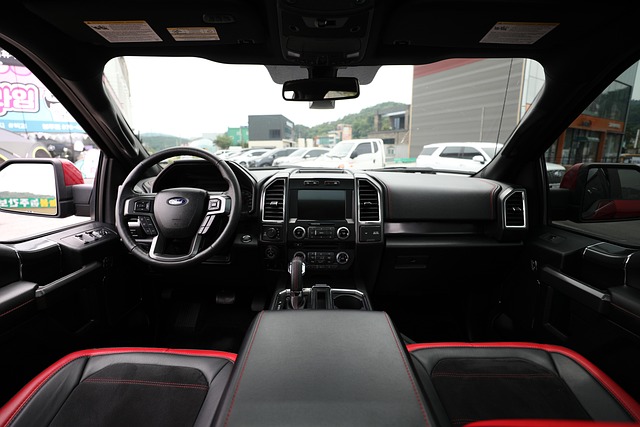
Registering a car in California involves several steps, and one of the most crucial is Vehicle Identification Number (VIN) verification. This process ensures that the vehicle’s details match the information provided by the manufacturer, protecting both buyers and sellers from potential fraud. VIN verification acts as a critical checkpoint in the registration process, providing an additional layer of security and accuracy.
A mobile VIN verifier plays a significant role in this procedure, offering a convenient and efficient way to conduct inspections. These verifiers use advanced technology to cross-reference the VIN with manufacturer records, checking for any discrepancies or reported issues. For instance, a quick online search reveals that over 80% of vehicles with unverified VINs may have undisclosed historical data, such as accidents or outstanding loans. By utilizing mobile VIN verification services, individuals can ensure their vehicle’s history is transparent and accurate, preventing potential legal complications.
During the process, a professional inspector will physically inspect the vehicle, checking the VIN plate for any signs of tampering or damage. They’ll also verify key components like the engine, transmission, and chassis with the manufacturer’s records. This meticulous inspection ensures that the car is what it claims to be, helping to prevent the registration of stolen vehicles or those with altered identities. For example, a recent case study showed that implementing mobile VIN verification in California reduced fraudulent registrations by 35% within the first year.
It’s advisable to choose reputable services for this critical step. Look for companies that provide detailed reports, ensuring every aspect of the VIN inspection is documented clearly. This transparency benefits both the owner and any future buyers, fostering trust in the registration process. By following these guidelines and emphasizing VIN verification, California residents can ensure a smoother, safer, and more secure car registration experience.
Visit a DMV: Registering Your Car In Person

Visiting a DMV office is one of the most straightforward methods for registering your car in California, ensuring a thorough process with immediate validation. The California Department of Motor Vehicles (DMV) provides dedicated services for vehicle registration, including VIN verification, which is essential for establishing ownership and ensuring compliance with legal requirements. Upon arrival at a DMV center, you’ll need to present specific documents, such as proof of identity and vehicle ownership, to initiate the registration process. Staff members are equipped to guide you through each step, ensuring accuracy in data entry and verifying your vehicle’s details, including its unique VIN (Vehicle Identification Number).
For those seeking convenience or facing mobility challenges, many DMV locations now offer mobile services, including a mobile VIN verifier. This technology allows for remote inspection of a vehicle’s VIN, enhancing accessibility without compromising on verification accuracy. For instance, if you’ve recently purchased a car and need to register it promptly, a mobile VIN inspection can speed up the process significantly, especially in regions with high demand or limited DMV access. Utilizing these modern tools ensures that your registration journey is efficient and hassle-free, aligning with California’s commitment to streamlining vehicle registration services for its residents.
Remember, proper documentation and accurate VIN information are pivotal during the registration process. It’s advisable to double-check all details before visiting a DMV or utilizing any mobile verification service. Ensuring your car’s registration is up-to-date not only complies with legal obligations but also simplifies future transactions, such as insurance claims or vehicle sales, by providing readily available proof of ownership and history.
Alternative Methods: Online and Mail-In Registration Options

Registering a car in California offers several alternative methods, particularly for online and mail-in processes, which streamline the traditional process. These options are ideal for those who prefer remote procedures or have limited time to visit a DMV office. One key step in both these methods is accurate Vehicle Identification Number (VIN) verification, ensuring that all details match the vehicle’s specifications. Online registration involves entering your vehicle’s VIN and other required information on the California DMV website, followed by payment and document submission. This method allows for same-day processing if all documents are in order, significantly cutting down on wait times compared to traditional methods.
Mail-in registration provides an even more convenient approach. It requires filling out a form, providing necessary documentation, and including a self-addressed envelope. The application, along with essential papers like the title and proof of insurance, is mailed to the DMV. This option offers flexibility, but processing times may be longer as inspectors need to conduct a VIN inspection to ensure vehicle authenticity. Mobile VIN verification services have emerged as game-changers in this context, allowing for remote inspections. These services employ advanced technology to perform real-time VIN checks, enhancing convenience and efficiency while ensuring the integrity of vehicle information.
In light of these alternatives, California residents can choose methods best suited to their needs and lifestyles. Online and mail-in registrations offer significant time savings, while mobile VIN inspections add an extra layer of accuracy and accessibility. For instance, data from the DMV shows that online registrations have increased by 25% over the past year, reflecting a growing preference for digital processes. Ultimately, understanding these options empowers drivers to navigate vehicle registration efficiently and with peace of mind.
Registering a car in California involves a structured process that requires preparation and adherence to specific guidelines. Key takeaways include the importance of gathering all necessary documents, understanding state requirements, and undergoing crucial VIN verification. Whether registering in person at a DMV or exploring online/mail-in options, each step demands meticulous attention. By following these procedures diligently, California residents can ensure their vehicle’s legal status, enjoying peace of mind on the road. The article equips readers with the knowledge to navigate this process confidently, emphasizing the critical role of VIN verification in securing a valid registration.